
Why do more farms choose to use 1000W LED grow lights
2024-05-11
There are several reasons why more farms are choosing to use 1000W LED grow lights over other types of lighting options.
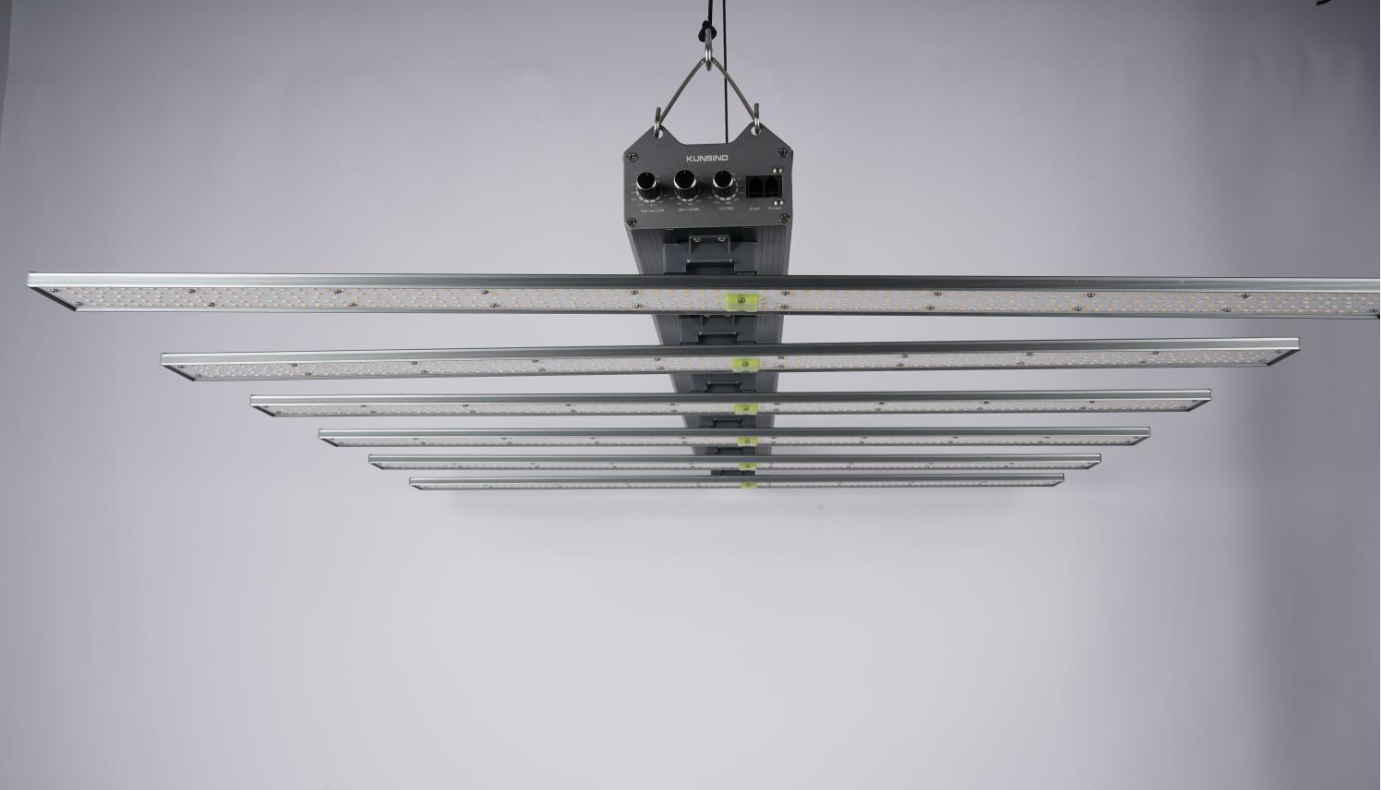
1. Energy Efficiency: LED grow lights are known for their energy efficiency compared to traditional lighting sources such as HID or fluorescent lights. LED lights consume significantly less electricity while still providing high-quality light output, which can result in significant cost savings on electricity bills for the farm.
2. Customizable Spectrum: LED grow lights offer the flexibility to customize the light spectrum to suit the specific needs of different plants at different stages of growth. This allows farmers to optimize their lighting setup to promote healthy plant growth, increase yields, and improve overall crop quality.
3. Long Lifespan: LED grow lights have a much longer lifespan compared to other lighting options, which means they require less frequent replacement and maintenance. This can save farmers both time and money in the long run, as they won't have to constantly replace their lights.
4. Heat Management: LED grow lights produce significantly less heat compared to traditional lighting sources, which can help prevent overheating in the grow room and reduce the need for additional cooling systems. This can create a more comfortable working environment for farm workers and help maintain optimal growing conditions for plants.
5. Environmental Benefits: LED grow lights are also more environmentally friendly compared to other lighting options, as they contain no toxic substances and produce less greenhouse gas emissions. This can help farms reduce their carbon footprint and contribute to a more sustainable farming practice.
Overall, the benefits of using 1000W LED grow lights, such as energy efficiency, customizable spectrum, long lifespan, heat management, and environmental sustainability, make them an attractive choice for many farms looking to optimize their indoor growing operations and improve their overall crop yield and quality.
2025-04-21
Sense the night light, guard your night
2025-04-02
What is the use of neon lights?
2025-03-19
INQUIRY
QUICK NAVIGATION
OUR CONTACTS
-
Add.: Room 101, Building 1, No. 2, Xiajiao Road, Xiegang Town, Dongguan, Guangdong, China
Tel: +86 133 9236 4389
WhatsApp: +86 133 9236 4389
Email: neysa@kunsind.com

Copyright © 2023 Dongguan Kunsheng Electronics Co., Ltd Privacy Statement SEO